Are Higher THC Numbers Overhyped? What Actually Determines Strength
Cannabis culture is changing, and so is how we see weed strength. Many think that weed’s value comes from its THC percentage. But, is this really true? The question does THC percentage matter? is on everyone’s mind.
People often look for high THC numbers, thinking they mean the best experience. But is this right? Research from places like the University of Colorado shows that THC isn’t everything. It shows that what determines weed strength is more complex.
Many believe that more THC means better quality. This idea affects how dispensaries price their products. For new users, knowing how much THC to take is important. It helps ensure a good experience. For tips on safe THC dosing, check here.
Measuring a strain’s effects isn’t just about THC. Other parts of the plant, like cannabinoids and terpenes, play a big role too. As we learn more about cannabis, we need to rethink what makes good weed. We’ll explore more about what makes a strain strong, beyond THC percentages.
The Misconception of THC Percentage as Quality Indicator
The cannabis market is changing, challenging the idea that thc levels vs strength are the same. Experts like Chris Roberts and Cinnamon Bidwell from the University of Colorado say why thc percentage is overhyped. They believe focusing only on THC content is misleading about product quality and potency.
It’s important to look at evaluating thc content in a wider context. Trichomes, aroma, and terpenes are key to cannabis’s effect. Learning about these can help consumers make better choices and change how they buy products.
Here’s a quick look at what affects cannabis potency more than THC percentages:
| Component | Effect |
|---|---|
| Myrcene | Sedative properties aid in relaxation and sleep |
| Limonene | Enhances mood, reduces stress, and increases energy |
| Caryophyllene | Beneficial for inflammation and anxiety relief |
| Linalool | Calming effects with anti-anxiety properties |
| Trichome Density | Higher density often correlates with stronger effects |
| Aroma | Indicative of the terpene profile, affecting potency and experience |
| Freshness | Reflected by harvest date, affecting potency and terpene integrity |
Understanding these factors gives a clearer view of cannabis quality. It shows that higher THC percentages don’t always mean stronger effects.
Understanding the Cannabis Plant Beyond THC
THC is often seen as the main factor in cannabis’s strength. But, the real power of the plant comes from its wide range of chemicals. These elements work together to make cannabis more than just THC.
Cannabinoids and Their Synergistic Effects
Cannabinoids like CBD, CBG, and CBN are key to cannabis’s effects. The idea of cannabinoid synergy or the entourage effect shows how these compounds boost each other. This teamwork makes cannabis more effective and enjoyable, showing what makes cannabis potent beyond THC.
Terpenes: The Unsung Heroes of Cannabis Potency
Terpenes are found in cannabis and other plants. They give off scents and affect our mood and stress levels. Research shows that THC vs terpenes strength is important. Terpenes can change how strong and what kind of high you get, making them key to cannabis’s power.
Trichomes: Where Potency Meets Aroma
Trichomes are tiny hairs on the cannabis plant. They produce cannabinoids and terpenes. The quality and amount of trichomes show how strong and flavorful the cannabis is. Knowing about trichomes helps us understand what makes cannabis potent.
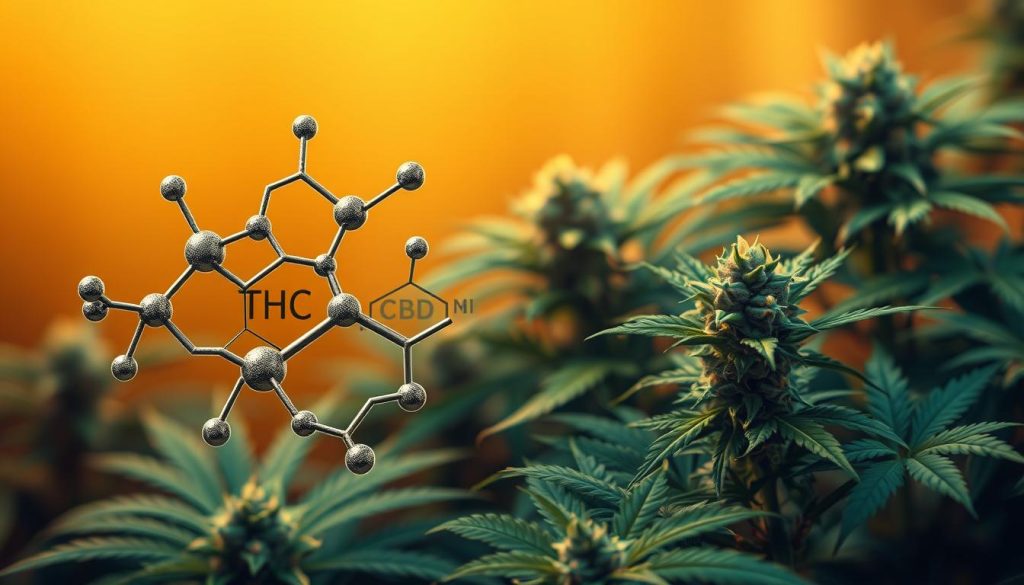
| Cannabinoid | Effect | Found in |
|---|---|---|
| THC | Psychoactive, euphoria, pain relief | Resin of Cannabis Sativa |
| CBD | Anti-inflammatory, anti-anxiety | Resin of Cannabis Sativa, hemp |
| Terpenes | Aroma, enhance cannabinoid effects | Flowers, resin of Cannabis Sativa |
The Entourage Effect: THC, Terpenes, and More
Exploring cannabis reveals the entourage effect strength. This is when THC and terpenes work together. They make cannabis more effective for both health and fun. This mix greatly affects how terpenes change the high and the plant’s overall power.
Grasping the entourage effect helps us see how terpenes, not just THC, shape cannabis’s effects. Terpenes add to the smell and taste. They also change the high and offer more health benefits.
How Different Components Interact for Enhanced Effects
The heart of the entourage effect is the teamwork between THC and terpenes. This team makes cannabis’s effects stronger and more balanced. Research shows terpenes can help THC last longer in the body and reduce bad side effects. This teamwork creates a more complex and enjoyable experience than THC alone.
Scientific Studies Supporting the Entourage Effect
Dr. Ethan Russo’s study is key in proving the entourage effect. It shows how terpenes and THC together make cannabis better. For more details, check out The THC Truth for a deeper look into this fascinating interaction.
| Terpene | Effect | Common Scent |
|---|---|---|
| Myrcene | Sedating, muscle relaxant | Earthy, musky |
| Limonene | Uplifting, anti-anxiety | Citrus, lemon |
| Caryophyllene | Anti-inflammatory, stress reliever | Peppery, woody |
| Pinene | Alertness, memory assist | Pine, sharp |
Consumer Perception vs. Scientific Evidence
There’s a big gap between what people think and what science says about cannabis. Many think why high THC strains don’t hit harder is just a myth. But, studies show that THC percentage isn’t the only thing that matters. High THC levels don’t always mean stronger effects, as science proves.
Research, like that on a cannabis knowledge site, reveals that other compounds matter too. Terpenes and other plant parts, not just THC, affect how cannabis feels. For example, effects at 24% THC can be similar to those at 16%, thanks to the entourage effect.
Why low THC weed hits harder often comes down to other compounds like terpenes. Terpenes like β-myrcene and β-caryophyllene add to the effects. Other cannabinoids also boost the experience, showing that THC alone doesn’t define potency.
This misunderstanding shows we need to teach people more about cannabis. By learning about how cannabis works, we can see that it’s not just about THC. We should look at a strain’s whole profile, not just THC percentages.
High THC: A Marketing Gimmick?
Many people think that high THC in cannabis means better quality and stronger effects. This idea is used by many shops to sell their products. But, the truth is more complex. It involves terpenes and other cannabinoids, not just THC.
| Product Category | Average THC % | Price Range | Consumer Perception |
|---|---|---|---|
| Basic Flower | 12-15% | $8-12 per gram | More accessible, considered less potent |
| Premium Flower | 20-30% | $15-20 per gram | High potency, superior effects presumed |
Dispensaries say high THC means better quality. But, this focus on THC affects what people buy. Customers want strong effects and are willing to pay more for it. This changes how prices are set in the market.
The focus on THC numbers can be misleading. It oversimplifies how cannabis works. We need to teach people more about thc strength impact. This way, they can understand what really makes cannabis effective.
Why High THC Strains Don’t Always Mean Stronger Weed
The question of does higher THC mean stronger weed has been a big topic in cannabis talks. But, recent studies and user feedback show that THC alone isn’t the only measure of weed strength. The way different cannabinoids and terpenes work together, known as the entourage effect, is key to understanding THC potency and its effects.
An interesting study found that high THC in concentrates doesn’t always mean users feel more intoxicated. People using high-THC concentrates didn’t feel much more high than those using lower THC flower. This shows that THC’s role in cannabis is more complex than just its amount.
To understand why high THC doesn’t always mean stronger effects, we need to look at cannabis as a whole. The mix of compounds in cannabis creates a complex system where THC is just one part. This view helps us see that ‘more THC doesn’t always mean stronger effects’ and encourages a smarter way to use cannabis.
Clearing up the myth that does higher THC mean stronger weed helps users make better choices. They should look at the whole mix of cannabinoids and terpenes, not just THC. This way, they can better predict how their cannabis will affect them.
Terpenes vs. THC: Understanding Their Roles in Potency
THC is known for its psychoactive effects in cannabis. But terpenes also play a big role in how a strain feels. This section explores how both terpenes and THC affect the potency and experience of cannabis.
The debate on terpenes vs THC potency is key for those looking for strong effects. Terpenes add to the aroma and change the high, making it better and more therapeutic. Many are choosing high terpene cannabis for a balanced and enjoyable experience.
Terpenes might be as important as THC in cannabis effects. For example, myrcene in relaxing strains like OG Kush helps with calmness. Limonene in strains like Super Lemon Haze boosts mood and energy.
Terpenes and THC together create the entourage effect. This effect gives a more detailed and tailored experience. It’s better than just looking at THC or terpenes alone.
| Compound | Effects | Typical Strains |
|---|---|---|
| Myrcene | Calming, relaxing | OG Kush, Harlequin |
| Limonene | Uplifting, mood-enhancing | Super Lemon Haze |
| THC | Psychoactive, potency | Sour Diesel, Blue Dream |
Both terpenes and THC are key in cannabis effects. Knowing how terpenes vs THC potency work helps find the right strain. This is true for fun or health reasons.
Understanding cannabis, including terpenes and THC, is vital. It shows the need for clear labels and education on cannabis potency. As the market grows, terpenes and THC will be more important. This will lead to a deeper understanding of cannabis.
Shifting the Focus: Educating Consumers on Cannabis Strength
The cannabis industry is changing fast. We need to teach people more about it. Learning about thc bioavailability, cb1 receptor interaction, and strong effect cannabis strains can make a big difference. This education helps people understand why weed doesn’t get me high anymore and find the right products for them.
Challenges and Opportunities in Cannabis Education
One big challenge is changing how people think about THC levels. Many don’t know about thc bioavailability and cb1 receptor interaction. But these are key to how cannabis affects us. This opens up chances for better education programs.
Role of Dispensaries in Dispelling Myths
Dispensaries are key in teaching people about cannabis. They use staff knowledge and materials to explain the complex side of cannabis. This helps users make choices based on more than just THC levels. It’s about understanding the whole cannabis experience.
Conclusion
The talk about what makes weed potent has changed a lot. Now, we know THC levels are just part of the story. The entourage effect shows how THC and other cannabinoids, plus terpenes, affect weed’s power and feel.
Studies and stories from users show that terpenes and many cannabinoids add to weed’s effects. This is more than we thought before.
Knowing the importance of THC but also seeing its limits helps us understand weed better. We learn that knowing all the compounds in weed is key. This knowledge helps us make better choices that fit our needs.
By exploring the science of weed’s strength, we move away from just focusing on THC. This helps us have a better, more informed relationship with weed. Learning about these details helps clear up how potent weed can be.
FAQ
Does a higher THC percentage guarantee a stronger effect from cannabis?
No, a higher THC percentage does not guarantee a stronger effect. THC is a key part of cannabis, but other factors like cannabinoids and terpenes also matter. The way these compounds work together affects the overall experience.
What is the misconception about THC percentage as a quality indicator?
Many think that higher THC means better quality and a stronger effect. But, THC alone doesn’t tell the whole story. Other plant compounds also play important roles in how cannabis works.
How do cannabinoids and terpenes contribute to cannabis potency?
Cannabinoids interact with our body’s endocannabinoid system to create different effects. Terpenes add to the scent and flavor and can boost the effects of cannabinoids. Together, they make cannabis more potent.
What role do trichomes play in determining cannabis potency and aroma?
Trichomes are the resin glands of the cannabis plant. They produce cannabinoids and terpenes. This affects the potency and aroma of the cannabis.
How does the entourage effect enhance the experience of using cannabis?
The entourage effect happens when THC, cannabinoids, terpenes, and other compounds work together. This can lead to a more complex high and better therapeutic effects.
Why doesn’t scientific evidence support the perception that higher THC means stronger cannabis?
Studies show that THC content alone doesn’t predict how strong cannabis will be. The effects depend on how all the compounds in cannabis interact, not just THC.
How do dispensaries use THC percentages in their marketing?
Dispensaries often use THC percentages to sell their products. They highlight high numbers to make them seem more potent. This can make people think higher THC means better quality, even if it’s not true.
Why might high THC strains not provide a stronger weed experience?
High THC strains don’t always mean a stronger effect. Other factors like other cannabinoids, tolerance, and the strain’s chemotype also play a big role. These can change how intense and what kind of high you get.
How do terpenes compare to THC in terms of affecting cannabis potency?
Terpenes can change how THC and other cannabinoids work. They add to the unique effects and quality of the high. This shows that potency isn’t just about THC.
Why is it important to understand the role of terpenes in cannabis?
Knowing about terpenes helps you make better choices. It lets you see that THC isn’t the only thing that matters. It’s about the whole mix of compounds that make cannabis what it is.
What is the responsibility of dispensaries in educating consumers about cannabis strength?
Dispensaries should help people understand cannabis strength. They should teach about the importance of THC, cannabinoids, and terpenes. This way, customers can choose based on what they really need.
The post Are Higher THC Numbers Overhyped? What Actually Determines Strength appeared first on High Fashion Smokes and Prints.
via High Fashion Smokes and Prints highfashionsmokesandprints....
